Storage Fit Review
Match box footprint, opening clearance, drawer access and tool load to the way crews stage material on a real floor plan.
Service planning
Service for Knaack programs is practical, parts-aware and built around the way field crews actually use storage. Procurement teams often need more than a box number. They need lock guidance, caster choices, tray compatibility, dealer routing and a clear path for replacement parts before a storage package reaches the site. This page lays out how Knaack support can help buyers turn a simple product list into a dependable jobsite routine.
The process starts with the setting: exposed construction floors, shop cribs, utility yards, staging trailers or maintenance rooms. From there, the team can map storage style, access control, movement needs and service records to the right product family. The goal is not to overcomplicate ordering; it is to remove the small gaps that slow down crews after delivery.
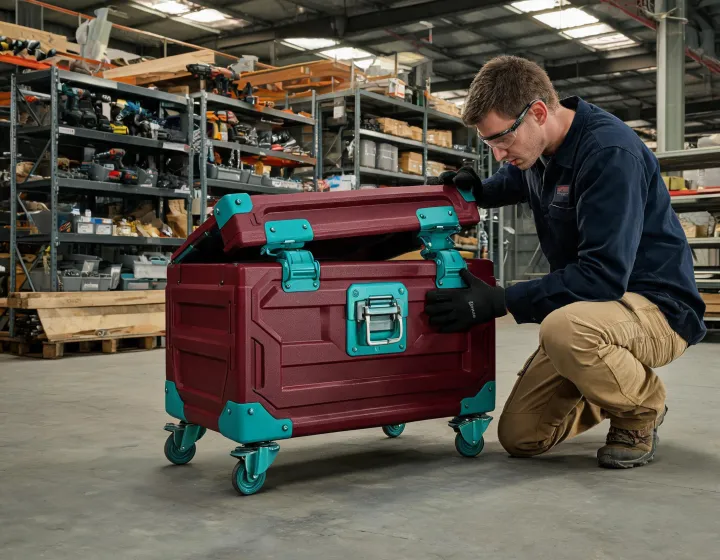
Four service lanes
Match box footprint, opening clearance, drawer access and tool load to the way crews stage material on a real floor plan.
Coordinate access needs for foremen, purchasing teams and maintenance leads without scattering duplicate records across crews.
Review floor conditions, movement frequency and loaded cabinet weight before adding wheels to a storage package.
Keep model details, serial notes and service paths ready so small hardware issues do not interrupt field work.
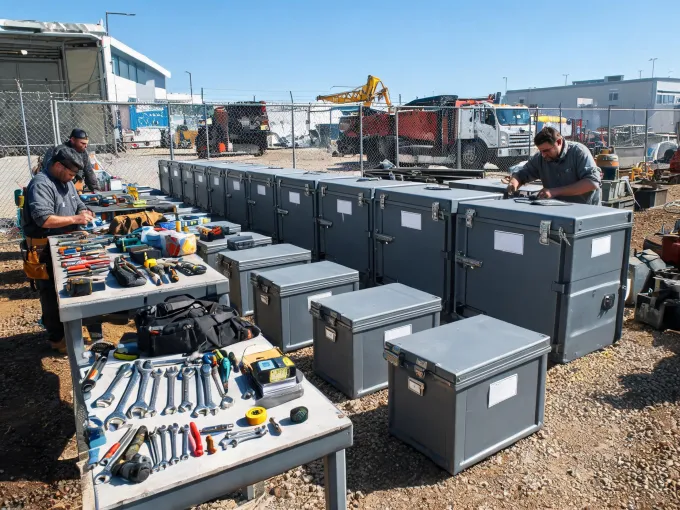
Case highlight
A regional contractor needed storage that could move between floors, remain locked overnight and keep shared tools from disappearing into separate gang boxes. Knaack support organized the order around box roles: shared power tools, small hand tools, consumable hardware and foreman-controlled lock sets.
The result was a clearer purchasing list and fewer last-minute substitutions. Each storage type had a purpose, each lock set had an owner and the dealer could stage delivery by phase instead of dropping every cabinet at once. That kind of preparation makes a service conversation useful long before any repair is needed.
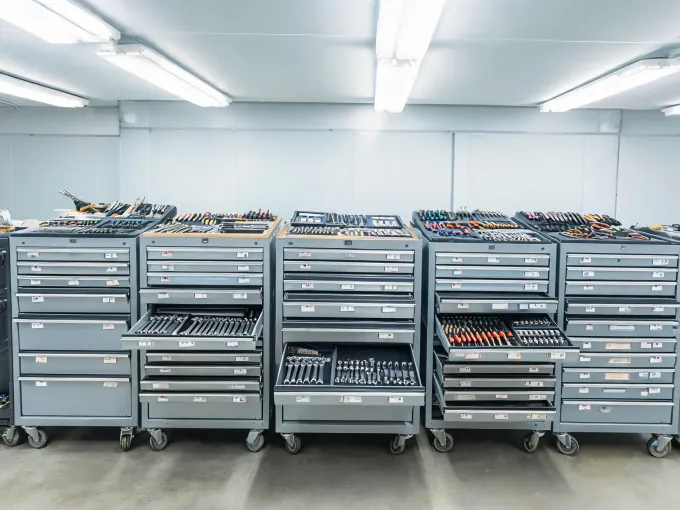
Case highlight
An MRO team was replacing mixed storage with a smaller set of durable cabinets and carts. The service conversation centered on drawer use, caster movement, lock control and how spare parts would be requested over time.
Instead of treating the project as a one-time purchase, the buyer documented which cabinets carried daily tools, which held calibrated items and which stayed near receiving. That record helped supervisors maintain cleaner handoffs between shifts and gave purchasing a faster reference when parts were needed.
Send a storage brief
Share crew count, storage type, lock preferences and mobility needs. The response can cover product fit, dealer routing and the service notes your team should keep with the order.